Meet Your Faculty
Trevor Pugh (He/Him)

Senior Scientist, Princess Margaret Cancer Centre
Director, Genomics, Ontario Institute for Cancer Research
Toronto, ON, Canada
trevor.pugh@utoronto.ca
Dr. Trevor Pugh, PhD, FACMG is a cancer genomics researcher and board-certified molecular geneticist at the forefront of precision medicine. As holder of the Canada Research Chair in Translational Genomics, he uses genome sequencing to understand causes of cancer, guide treatment of patients, and detect early disease using blood tests. He directs the OICR Genomics Program and the Princess Margaret Genomics Centre; genomics cores that specialize in single cell, cell-free DNA and clinically-accredited whole genome sequencing. He has contributed to multiple large-scale genomics and data-sharing programs including The Cancer Genome Atlas, NCI TARGET, AACR GENIE, and the Terry Fox Marathon of Hope Cancer Centres Network. He leads the CHARM Consortium, an initiative to use cell-free DNA monitoring for all people with an inherited predisposition to cancer. Originally from Vancouver, Dr. Pugh received a PhD in Medical Genetics from the University of British Columbia and was an early student of the Canadian Bioinformatics Workshop.
Linda Xiang (She/Her)
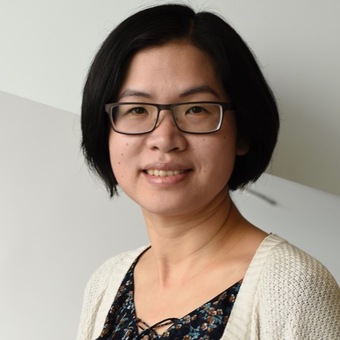
Data Scientist II
Ontario Institute of Cancer Research
Toronto, ON, Canada
lxiang@oicr.on.ca
Linda is a Senior Data Scientist with over a decade of experience designing and delivering production-grade data platforms for large-scale international genomics initiatives, including ICGC/ICGC-ARGO, PCAWG, GDC, and VirusSeq. Her work focuses on bridging complex scientific requirements with robust engineering solutions, spanning bioinformatics workflow architecture, data services, and platform integration. She has led the development of containerized, reproducible pipelines for genomic data processing and submission across cloud and on-premises environments, and has driven the adoption of standards-based frameworks to improve scalability and maintainability. In parallel, she has led the design of interoperable clinical and genomic data models to support secure data sharing and federated analysis, while contributing to global standards development through GA4GH.
Yoshiaki Tanaka (He/Him)
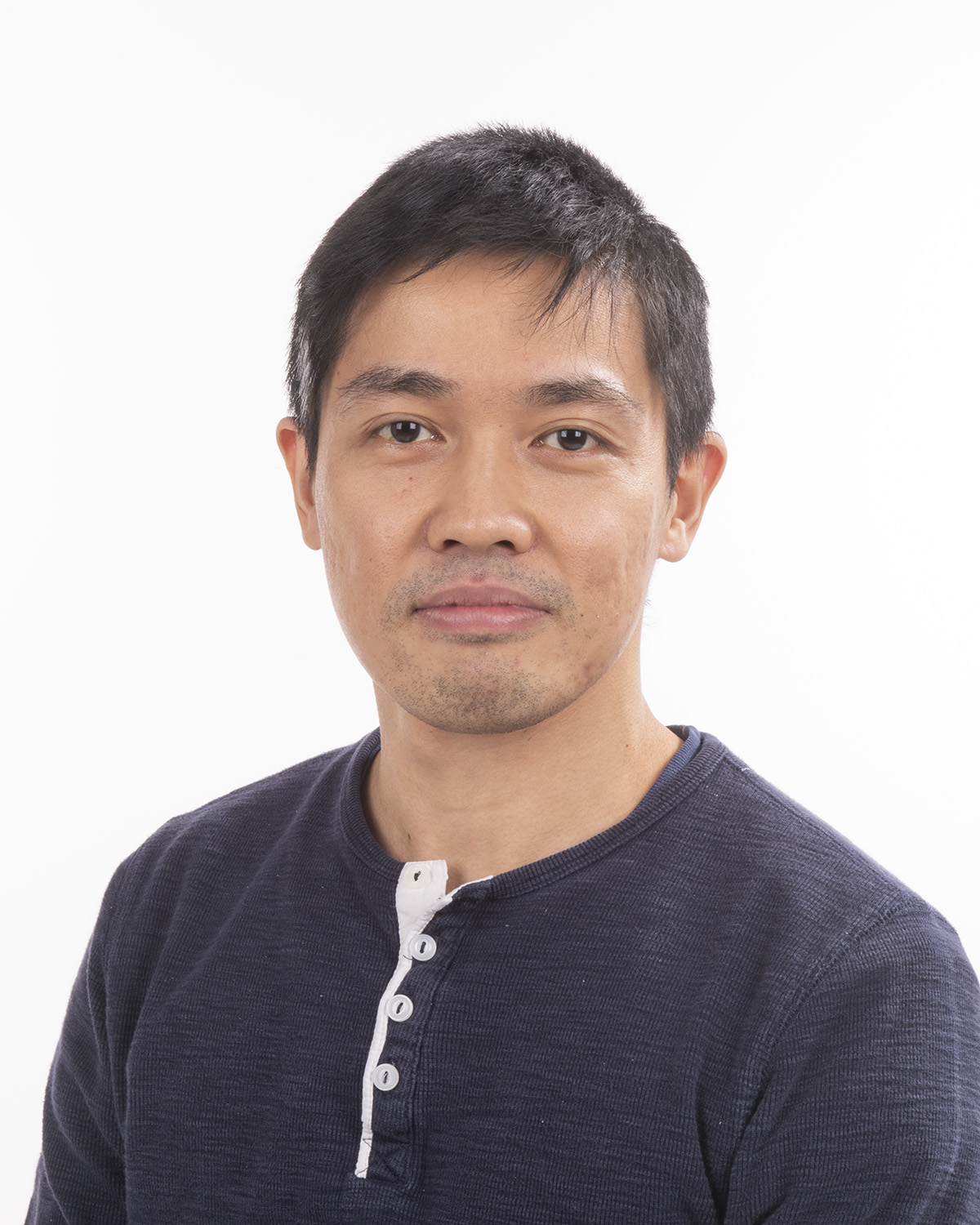
Associate Professor
Centre de Recherche de l’Hôpital Maisonneuve-Rosemont, Université de Montréal
Montreal, QC, Canada
yoshiaki.tanaka@umontreal.ca
Dr. Yoshiaki Tanaka obtained his undergraduate degree (2006) in pharmaceutical science at Tokyo University of Science, Japan. During his Ph.D. training (2006-2011), he pursued purely bioinformatics approaches using large-scale datasets, such as RNA-seq and ChIP-seq, to model the relationship between transcriptional and epigenetic regulation in eukaryotic cells under the supervision of Dr. Kenta Nakai at University of Tokyo, Japan. He also applied machine learning algorithms to high-throughput sequencing data to investigate chromatin conformation regulations. For his post-doctoral studies, Tanaka joined Dr. In-Hyun Park laboratory at Yale University USA (2011-2020) to seek out complementary training in cell and molecular biology with the goal of understanding stem cell pluripotency and tissue development. Recently, he developed in vitro 3D models of human brain and elucidated mechanistic insight of brain development and neuronal diseases. Dr. Tanaka’s research vision at Maisonneuve-Rosemont Hospital Research Center (CRHMR), University of Montreal is to explore complex problems related to brain tumor and other neuronal diseases using both in vitro and in silico modeling.
Robert Eveleigh
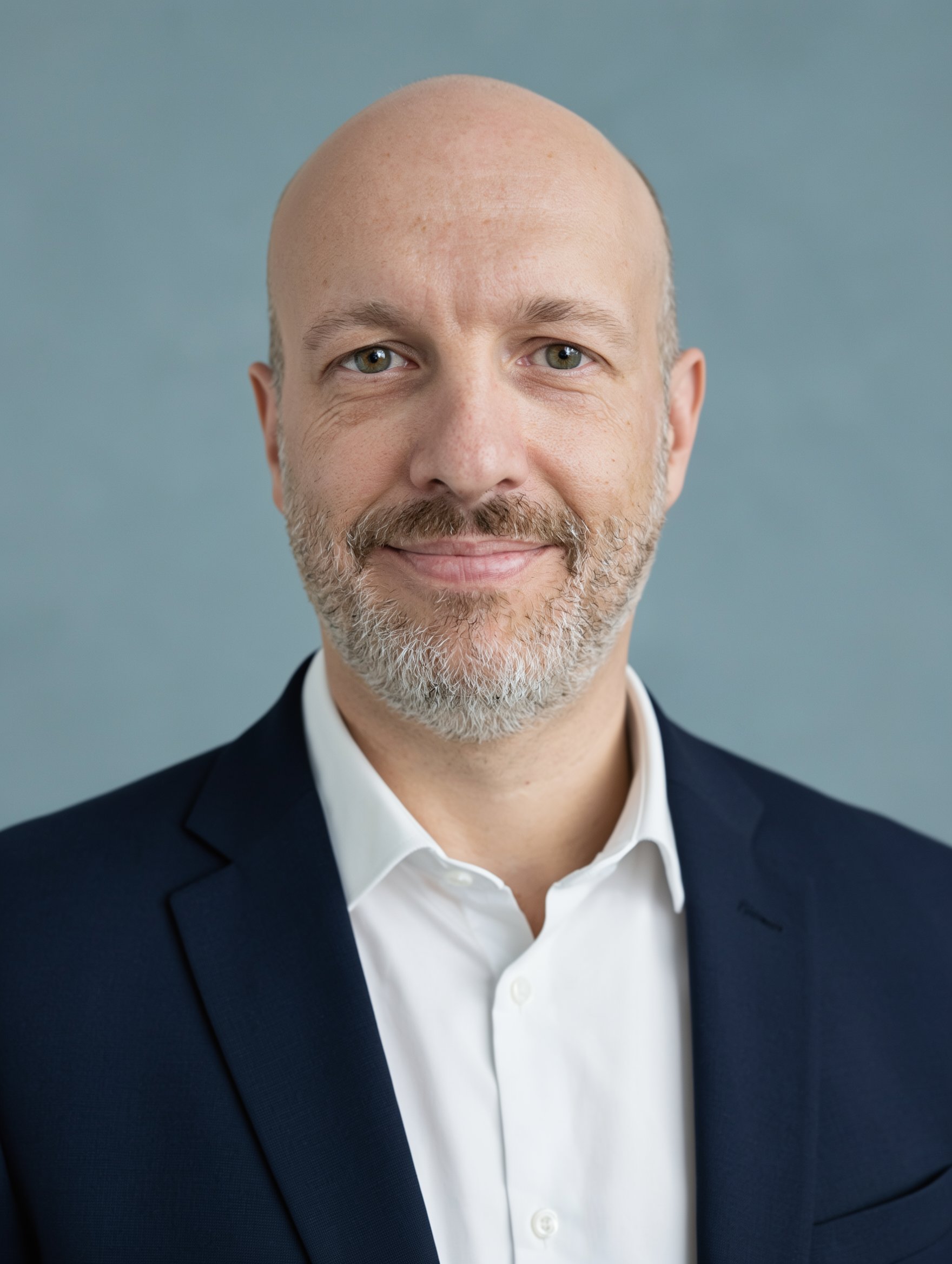
Senior Bioinformatics Specialist
Canacian Centre for Computational Genomics (C3G), McGill University
Montral, QC, Canada >
Robert Eveleigh, MSc, is a Senior Bioinformatics Specialist at the Canadian Centre for Computational Genomics (C3G) at McGill University. For about 15 years he has developed variant detection pipelines in GenPipes, with a focus on DNA alterations, and he has benchmarked each new sequencing instrument brought into the centre. He develops SOPs for benchmarking to determine the optimal steps for germline and somatic alteration detection. He led development of the GenPipes tumor-pair pipeline, which has processed over 5000 patients, including hundreds from PROFYLE (Precision Oncology for Young People). He is first author of a 2026 Genome Biology paper benchmarking sequencing technologies for variant detection.
Mathieu Lajoie

Research Associate - Bioinformatician
Rosalind and Morris Goodman Cancer Institute, McGill University
Montreal, QC, Canada
Mathieu Lajoie is a Research Associate and Bioinformatician in Dr. Ian Watson’s laboratory at the Rosalind and Morris Goodman Cancer Institute, McGill University. He holds a PhD in Bioinformatics from Université de Montréal and has more than 10 years of experience in cancer research. He has worked on a wide range of computational biology topics, from algorithm development to regulatory genomics and tumour evolution. His current research focuses on melanoma, integrating genomic and spatial transcriptomic data to investigate disease progression and therapeutic response.
Vida Talebian
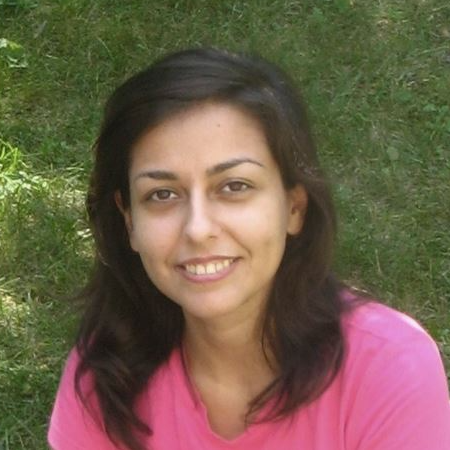
Bioinformatician
Ontario Institute for Cancer Research
Toronto,ON,Canada
Vida is a bioinformatician at the Diagnostic Development program at OICR. She holds a master’s degree in bioinformatics from the University of Waterloo with a computer engineering background. She is involved in projects with a focus on analyzing and integrating multi-omics data to identify prognostic signatures in clinical studies.
Aqsa Alam (She/Her)

Bioinformatician III
Ontario Institute for Cancer Research
Toronto,ON,Canada
aalam@oicr.on.ca
Aqsa Alam is a bioinformatician in the Clinical Genome Interpretation team at the Ontario Institute of Cancer Research. Aqsa did her Honours BSc with high distinction in Biology and Physics at the University of Toronto Mississauga and her MSc in Cell and Systems Biology at the University of Toronto. Aqsa is passionate about communication and scientific outreach. Her current work focuses on genomic interpretation in cancer and supporting accredited clinical trials.
Veronique Voisin
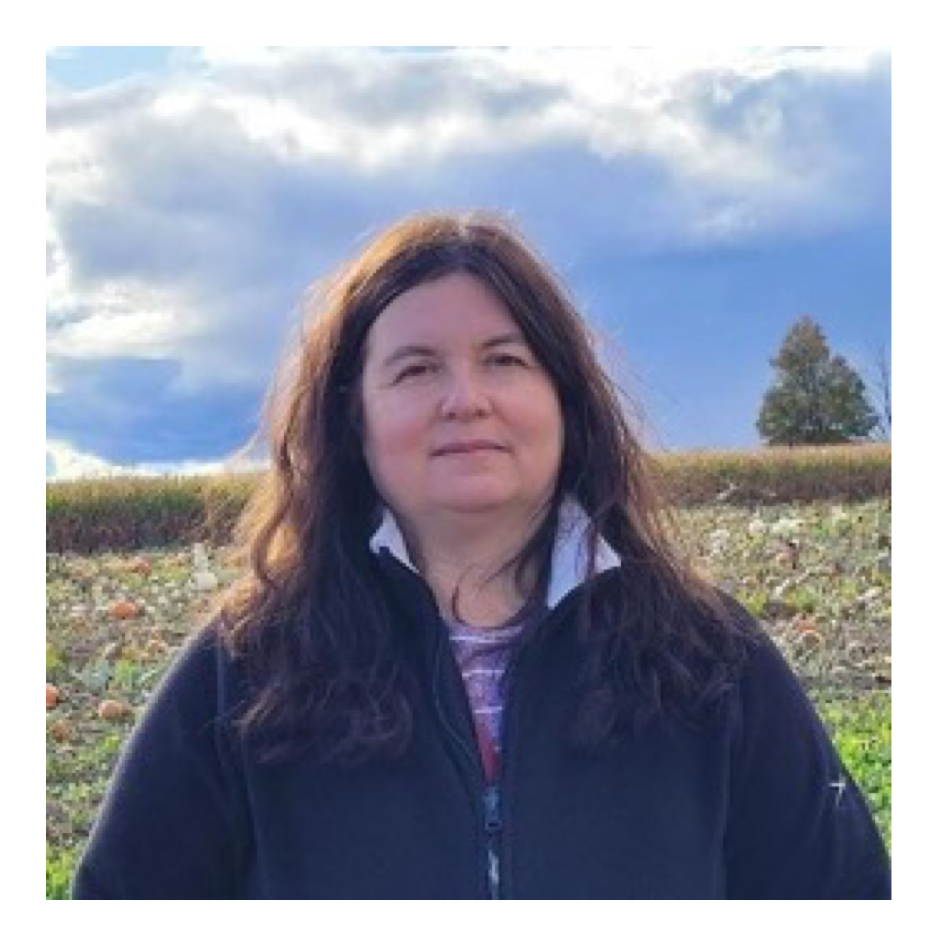
Computational Biologist
Princess Margaret Center
Toronto,ON,Canada
veronique.voisin@gmail.com
Véronique Voisin, PhD, is a computational biologist affiliated with the Princess Margaret Cancer Centre (UHN), where she works with Dr. Aaron Schimmer, SickKids, where she works with Dr. Grace Egan, and the University of Toronto, where she continues to collaborate with Dr. Gary Bader. She uses bioinformatics tools to analyze omics and clinical data and untangle biological questions relevant to leukemia and cancer treatment. Her work includes pathway and network analysis of gene expression data using tools such as GSEA and Cytoscape. She has also contributed to bioinformatics training through the Canadian Bioinformatics Workshop (CBW) over several years.
Ruth Isserlin

Research Data Analyst
The Donnelly Centre, University of Toronto
Toronto,ON,Canada
ruth.isseerlin@utoronto.ca
Bioinformatician and data analyst in the Bader lab applying pathway and data analysis to varied data types. Developed Enrichment Map App for Cytoscape, an app to visually translate functional enrichment results from popular enrichment tools like GSEA to networks. Further developed the Enrichment Map Pipeline including development of additional Apps to help summarize and analyze resulting Enrichment Maps, including PostAnalysis, WordCloud, and AutoAnnotate App.
Nicholas Geoffrion
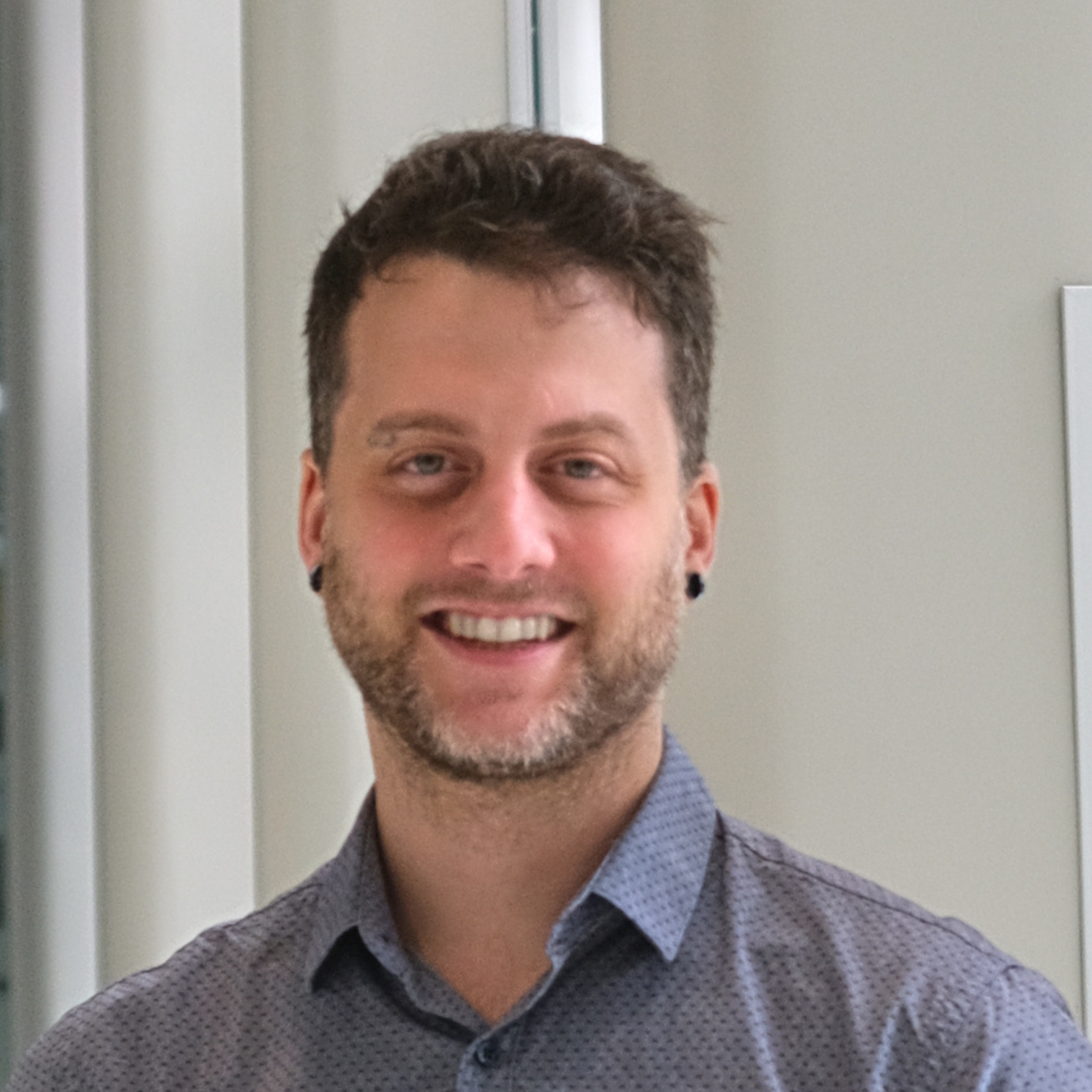
Senior Bioinformatician, Infrastructre Manager
Meta Platform for Integrated Genomics, Azrieli Reasearch Center, CHU Sainte-Justine
Montréal, QC, Canada
nicholas.geoffrion.hsj@ssss.gouv.qc.ca
Nicholas Geoffrion is a bioinformatician and Genomics Platform Infrastructure Manager at the Azrieli Research Centre in Montréal, specializing in long-read sequencing, computational genomics, and translational cancer research. His work focuses on integrating emerging sequencing technologies, particularly Oxford Nanopore, with scalable bioinformatics pipelines and high-performance computing infrastructure to support genomic research and clinical applications, with a particular emphasis on pediatric oncology. His interests span software engineering, infrastructure automation, open-source technologies, and the development of computational tools that make genomic analysis faster, more accessible, and clinically actionable.
TA’s
Oliver De Sa
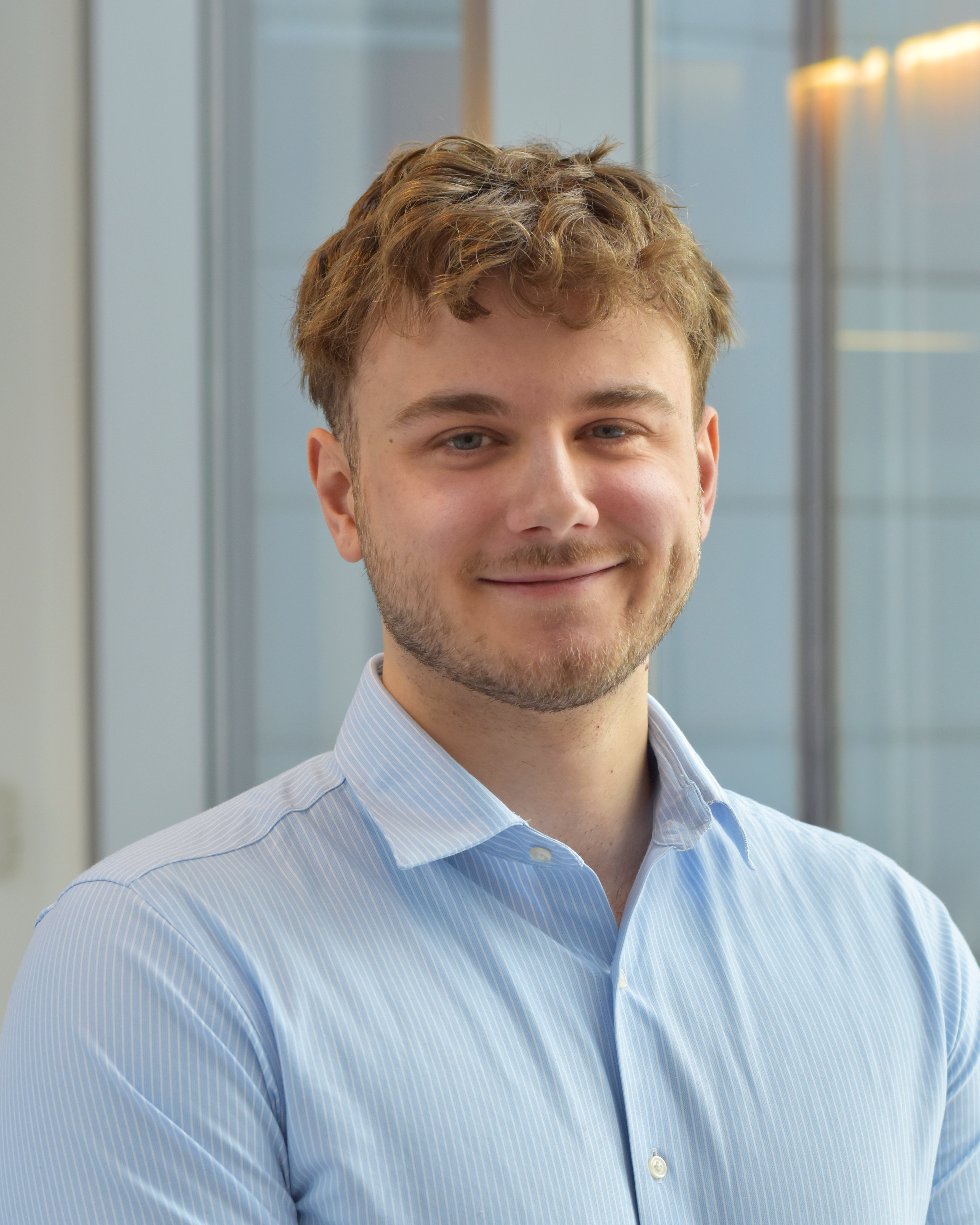
Bioinformatician III
Ontario Institute for Cancer Research
Toronto,ON,Canada
odesa@oicr.on.ca
Oliver De Sa is a bioinformatician in the Window-of-Opportunity (WOO) network at the Ontario Institute for Cancer Research. Oliver completed a BSc in Biochemistry, followed by an MSc in Immunology both at the University of Toronto. His current work focuses on multi-omic analyses for WOO clinical trials, integrating various data types to describe the molecular mechanisms through which the tumour microenvironment responds to treatment.
Jordan Babadoudou
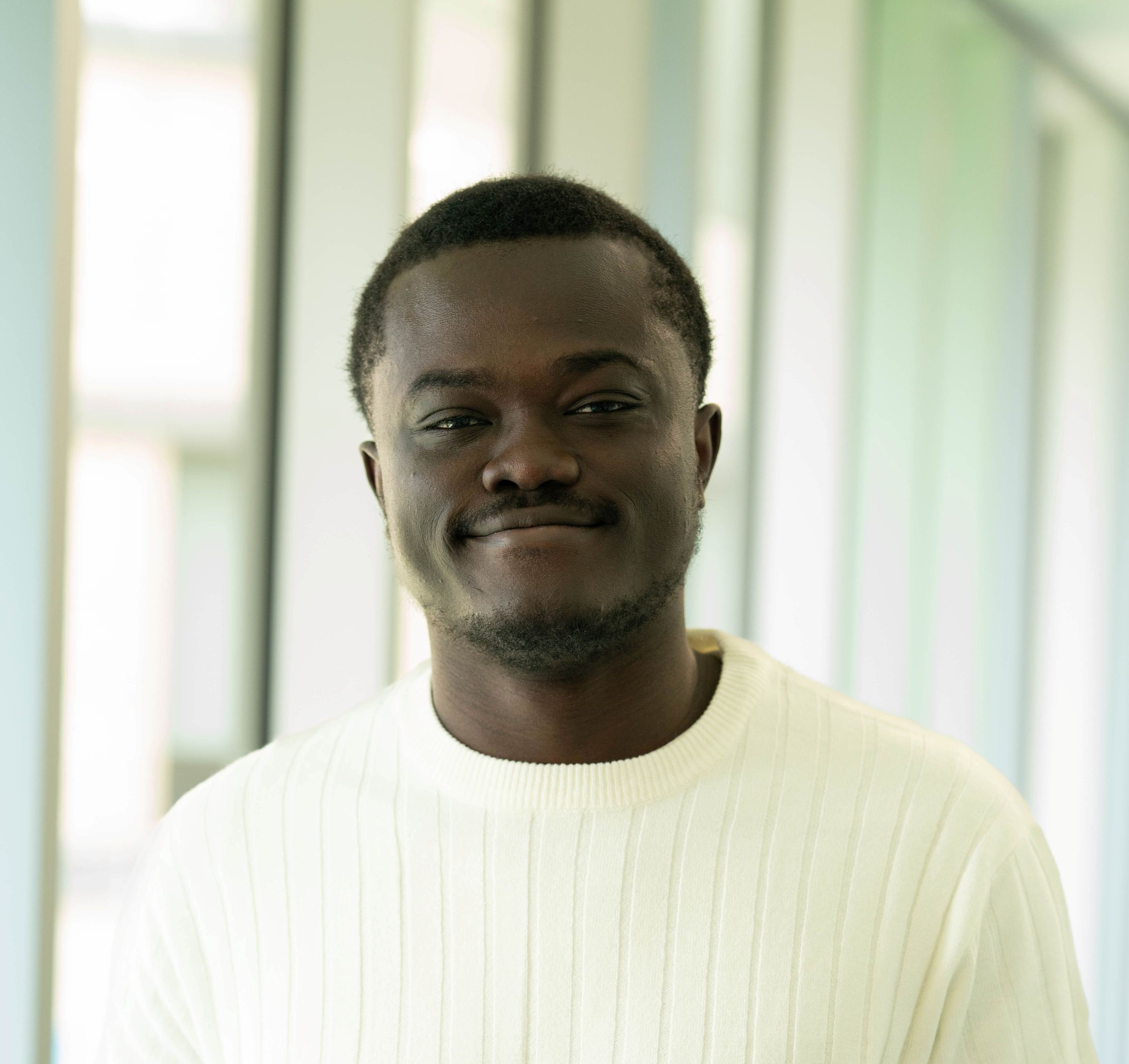
M.Sc. Student in Bioinformatics
Montreal University
Montréal, Quebec, Canada
jordan.babadoudou@umontreal.ca
Alain Pacis
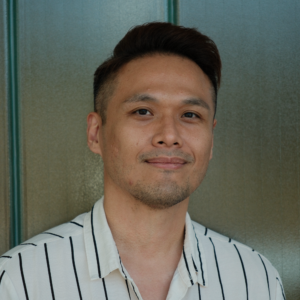
Bioinformatics Specialist
Canadian Centre for Computational Genomics (C3G), McGill University
Montréal, Quebec, Canada
Alain received his undergraduate degree in Cell and Molecular Biology at Concordia University. In 2018, he obtained his PhD in Bioinformatics from University of Montreal. His research focused on the genetic and the epigenetic regulation of innate immune responses to infection. As a bioinformatician at C3G since August 2018, Alain’s work primarily involves bulk/single-cell/spatial RNA-seq, epigenomics and cancer genomics.
Rong Ma
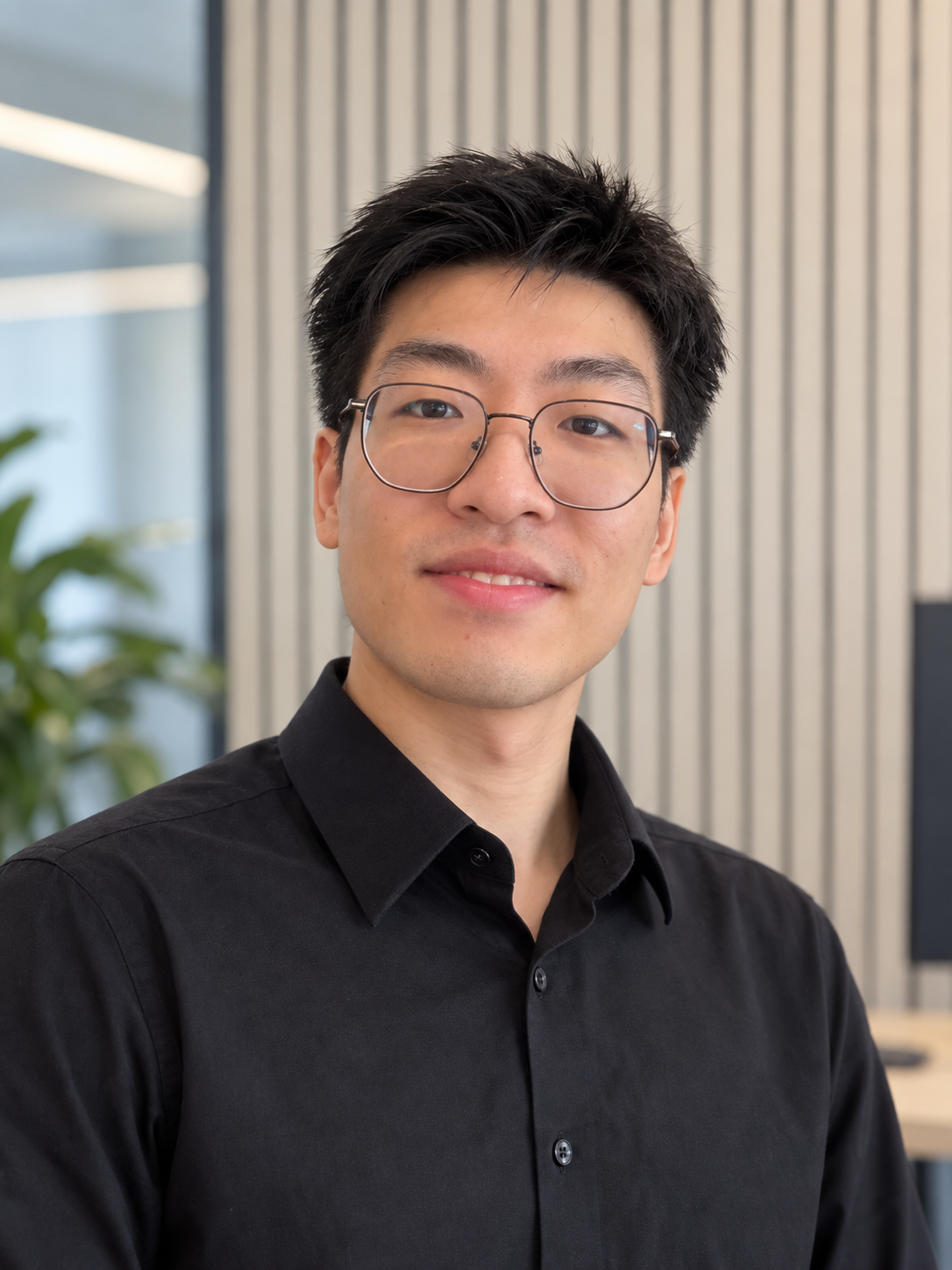
PhD Candidate in Human Genetics
McGill University & Kyoto University
Montréal, Quebec, Canada
rong.ma2@mail.mcgill.ca
Rong Ma began his PhD in Human Genetics at McGill University in Fall 2019, joining the laboratories of Drs. Ian Watson and Guillaume Bourque. He holds a Bachelor’s degree in Biochemistry and a Master’s degree in Biomedical Informatics from Columbia University. His current research focuses on leveraging bioinformatics and computational approaches to advance our understanding of melanoma biology from a multi-omics perspective. In particular, he aims to investigate the molecular mechanisms underlying resistance to immune checkpoint inhibitor (ICI) therapy in melanoma patients by integrating cutting-edge genomic and transcriptomic profiling technologies.
Zahra Tavakol
PhD Student in Computational Biology
Concordia University
Montréal, Quebec, Canada
zahra.tavakolhamedani@concordia.ca

She began her PhD in Quantitative Life Sciences at McGill University in Winter 2025 and joined the Kuzmin Lab at Concordia University and the Najafabadi Lab at McGill University in Winter 2026. She holds both Bachelor’s and Master’s degrees in Molecular Biotechnology. Her current research focuses on using bioinformatics and computational tools to analyze single-cell transcriptomic data, infer copy number aberrations, and perform pathway enrichment analysis. Her PhD research aims to develop computational approaches to predict transcriptional states at the single-cell level.